
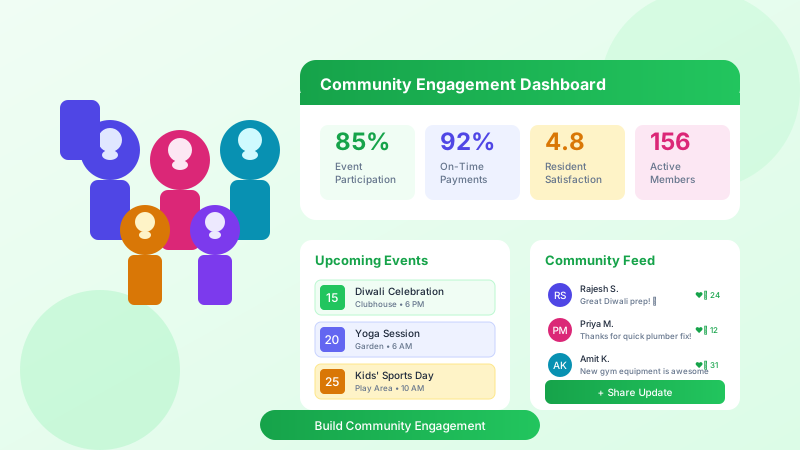
7 Proven Ways to Improve Resident Engagement in Your Housing Society

Connected Hood Team
The Connected Hood team shares expert insights on society management and community living in India.January 10, 2026
8 min read
Discover practical strategies to boost resident participation, build community bonds, and create a thriving housing society where everyone feels connected.
#7 Proven Ways to Improve Resident Engagement in Your Housing Society
A housing society is more than just a collection of flats sharing common walls. It is a community where children grow up together, festivals are celebrated, and neighbors become friends. Yet, in many societies, residents barely know each other, AGM attendance is dismal, and the same few people end up doing all the work.
Low engagement is not just a social problem—it directly impacts how well a society functions. Unengaged residents do not pay dues on time, ignore community guidelines, and leave when problems arise rather than help solve them.
The good news is that engagement can be cultivated. Here are seven proven strategies that successful housing societies across India have used to build vibrant, connected communities.
#1. Transform Communication from Broadcasts to Conversations
Most society communication is one-directional: the committee announces, residents ignore. To build engagement, communication must become interactive.
#What Does Not Work
- WhatsApp groups with 300 messages about parking disputes
- Notice boards nobody reads
- Emails that land in spam folders
- Announcements only when money is needed
#What Works
Create structured discussion forums:
- Dedicated channels for specific topics (maintenance, events, suggestions)
- Clear guidelines for constructive discussion
- Committee members actively participating, not just monitoring
Make communication transparent:
- Share monthly financial summaries proactively
- Explain decisions, not just announce them
- Acknowledge complaints publicly and track resolution
Use multiple channels appropriately:
- Urgent matters: Push notifications and SMS
- Important updates: Email with app notification
- General information: Society app noticeboard
- Discussions: Dedicated forums or controlled groups
Respond consistently:
- Acknowledge every query within 24 hours
- Provide timelines for resolution
- Follow up after issues are resolved
#Implementation Tip
Designate a communication coordinator on the committee—someone who ensures no message goes unanswered and information flows consistently.
#2. Create Events That People Actually Want to Attend
Many societies organize events that committees think residents should enjoy, rather than events residents actually want. The result is poor attendance and wasted effort.
#Understanding What Resonates
Before planning events, survey residents to understand:
- What types of activities interest different age groups?
- What times work best (weekend mornings, evenings, holidays)?
- What has worked or failed in the past?
- What skills and interests exist within the community?
#Event Categories That Drive Engagement
Festivals and celebrations:
- Diwali mela with rangoli competition and lighting
- Holi celebration with organic colors
- Ganesh Chaturthi with community participation
- Christmas and New Year countdown
- Regional festivals based on community composition
Health and wellness:
- Morning yoga sessions in the garden
- Weekend fitness bootcamps
- Health check-up camps
- Mental wellness workshops
- Sports tournaments (cricket, badminton, carrom)
Children and families:
- Summer camps with activities
- Kids' day celebrations
- Movie nights on the lawn
- Talent shows
- Educational workshops
Social connections:
- New resident welcome events
- Senior citizens' get-togethers
- Women's club activities
- Professional networking sessions
- Potluck dinners
Skill sharing:
- Cooking classes by resident chefs
- Art and craft workshops
- Music and dance sessions
- Gardening clubs
- Book clubs and reading sessions
#Making Events Successful
- Start small and build momentum
- Involve residents in planning, not just attendance
- Recognize volunteers and participants
- Document events with photos for community memories
- Gather feedback to improve future events
#3. Empower Residents Through Committees and Roles
Engagement increases when people have ownership. Create opportunities for residents to contribute beyond the main managing committee.
#Specialized Sub-Committees
Cultural committee:
- Plans festivals and celebrations
- Coordinates decorations
- Manages event budgets
Sports and recreation:
- Organizes tournaments
- Maintains sports equipment
- Manages gym and pool schedules
Environment and gardening:
- Oversees landscaping
- Manages waste segregation
- Runs sustainability initiatives
Women's welfare:
- Organizes activities for women
- Addresses women's safety concerns
- Runs skill development programs
Youth committee:
- Engages teenagers and young adults
- Plans age-appropriate activities
- Represents youth perspectives
#Volunteer Recognition
- Public acknowledgment in meetings and newsletters
- Annual appreciation events
- Small tokens of gratitude
- Leadership development opportunities
#Rotating Responsibilities
Prevent burnout and spread engagement by rotating:
- Event coordination duties
- Minor maintenance oversight
- Communication responsibilities
- Welcoming new residents
#4. Build a Digital Community Hub
A well-designed society app or portal can become the digital heart of your community, making engagement easier for everyone.
#Essential Digital Features for Engagement
Community feed:
- Residents can post updates, photos, and achievements
- Celebrate birthdays, anniversaries, and accomplishments
- Share recommendations and local information
- Lost and found posts
Interest-based groups:
- Connect people with shared hobbies
- Coordinate activities and outings
- Share resources and knowledge
Marketplace or exchange:
- Buy/sell/exchange items within society
- Hire recommendations for services
- Carpool coordination
Help requests:
- Ask neighbors for small favors
- Emergency assistance coordination
- Skill sharing requests
Polls and feedback:
- Quick surveys on community decisions
- Event preference voting
- Feedback collection
#Encouraging Digital Adoption
- Ensure the platform is mobile-friendly and easy to use
- Seed initial content to demonstrate value
- Celebrate active participants
- Help less tech-savvy residents get started
#5. Address Concerns Responsively and Transparently
Nothing disengages residents faster than feeling ignored. When complaints go into a black hole, residents stop bothering—and stop caring.
#Building a Responsive System
Acknowledge immediately:
- Every complaint gets a response within 24 hours
- Even if the solution takes time, acknowledge receipt
Set expectations:
- Provide realistic timelines
- Explain what is being done and why
- Update if timelines change
Close the loop:
- Confirm when issues are resolved
- Ask for satisfaction feedback
- Document patterns for systemic improvements
Be transparent about limitations:
- Explain what cannot be done and why
- Offer alternatives where possible
- Involve residents in prioritization decisions
#Handling Difficult Situations
- Neighbor disputes require neutral mediation, not taking sides
- Resource constraints should be explained honestly
- Long-standing issues need acknowledgment and progress updates
- Repeated complaints indicate systemic problems to address
#6. Make Participation Easy and Rewarding
Remove friction from participation and add positive reinforcement.
#Reducing Friction
Meeting accessibility:
- Offer hybrid options (in-person and video)
- Share agendas in advance
- Keep meetings focused and time-bound
- Record key decisions for those who cannot attend
Payment convenience:
- Multiple payment options
- Auto-pay facilities
- Clear invoices and receipts
- Easy dispute resolution
Information access:
- All documents available digitally
- FAQs for common questions
- Self-service for routine requests
- Quick response for complex queries
#Adding Rewards
Gamification elements:
- Recognition for timely payments
- Badges for community contributions
- Leaderboards for positive behaviors
Tangible benefits:
- Priority for amenity bookings for active participants
- Discounts on event registrations
- Recognition in society communications
Social recognition:
- Resident of the month features
- Volunteer appreciation
- Celebrating community achievements
#7. Welcome New Residents Meaningfully
First impressions shape long-term engagement. New residents who feel welcomed become engaged community members.
#The Ideal Welcome Process
Before move-in:
- Welcome email with essential information
- Introduction to key contacts
- FAQ document answering common questions
- Access to society app or portal
During move-in:
- Committee member greeting
- Welcome kit with society information
- Introduction to immediate neighbors
- Tour of common facilities
First month:
- Invitation to upcoming events
- Check-in to address any concerns
- Introduction at next community gathering
- Connection with interest-based groups
Ongoing:
- Regular engagement opportunities
- Pathways to volunteer or contribute
- Feedback solicitation
#Welcome Kit Contents
- Society bye-laws summary
- Emergency contacts
- Amenity booking information
- Vendor recommendations
- Local area guide
- Event calendar
- Small welcome gift
#Measuring Engagement Success
Track these indicators to assess your engagement efforts:
| Metric | Low Engagement | Target | |--------|----------------|--------| | AGM attendance | Under 20% | Over 50% | | Event participation | Same 10% always | Rotating 40%+ | | On-time payment rate | 60-70% | Over 90% | | Complaint volume | High with repetition | Lower, diverse issues | | Volunteer availability | Struggle to find | Multiple volunteers | | Committee election interest | Begging for candidates | Contested elections |
#Getting Started: A 90-Day Plan
Days 1-30: Listen
- Survey residents on priorities and interests
- Analyze past engagement patterns
- Identify quick wins and volunteers
Days 31-60: Act
- Improve communication channels
- Plan one well-designed event
- Launch or enhance digital platform
Days 61-90: Sustain
- Gather feedback on changes
- Recognize early adopters
- Plan next quarter's initiatives
Ready to Transform Your Society Management?
Connected Hood makes managing your residential community effortless. From visitor management to billing automation, experience the difference.
#Conclusion
Resident engagement does not happen by accident. It requires intentional effort, consistent communication, meaningful activities, and responsive management. The societies that invest in engagement enjoy higher collections, fewer conflicts, better maintenance, and happier residents.
The strategies in this guide are proven across hundreds of Indian housing societies. Start with one or two that resonate with your community, execute them well, and build from there. The transformation might take time, but the result—a true community where neighbors become friends—is worth every effort.
Looking for tools to boost engagement in your society? Connected Hood provides communication, event management, and community features designed to help Indian housing societies thrive.
Related Articles
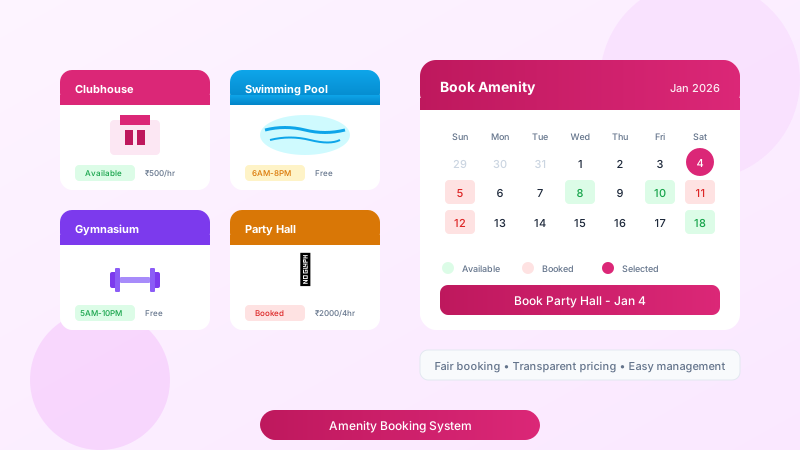
Managing Common Area Amenities: A Complete Guide for Housing Societies
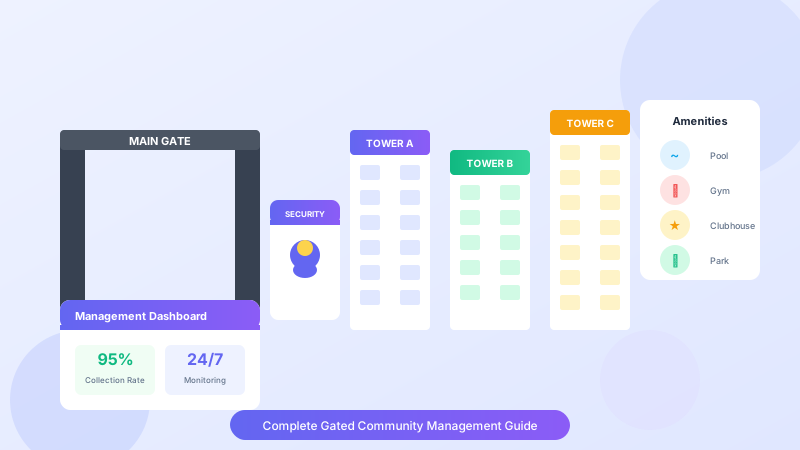
Complete Guide to Managing a Gated Community in India
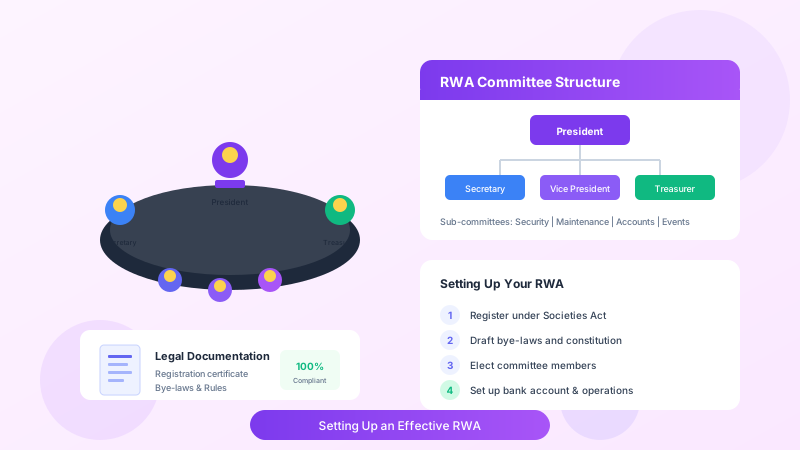
How to Set Up an Effective Residents' Welfare Association (RWA)